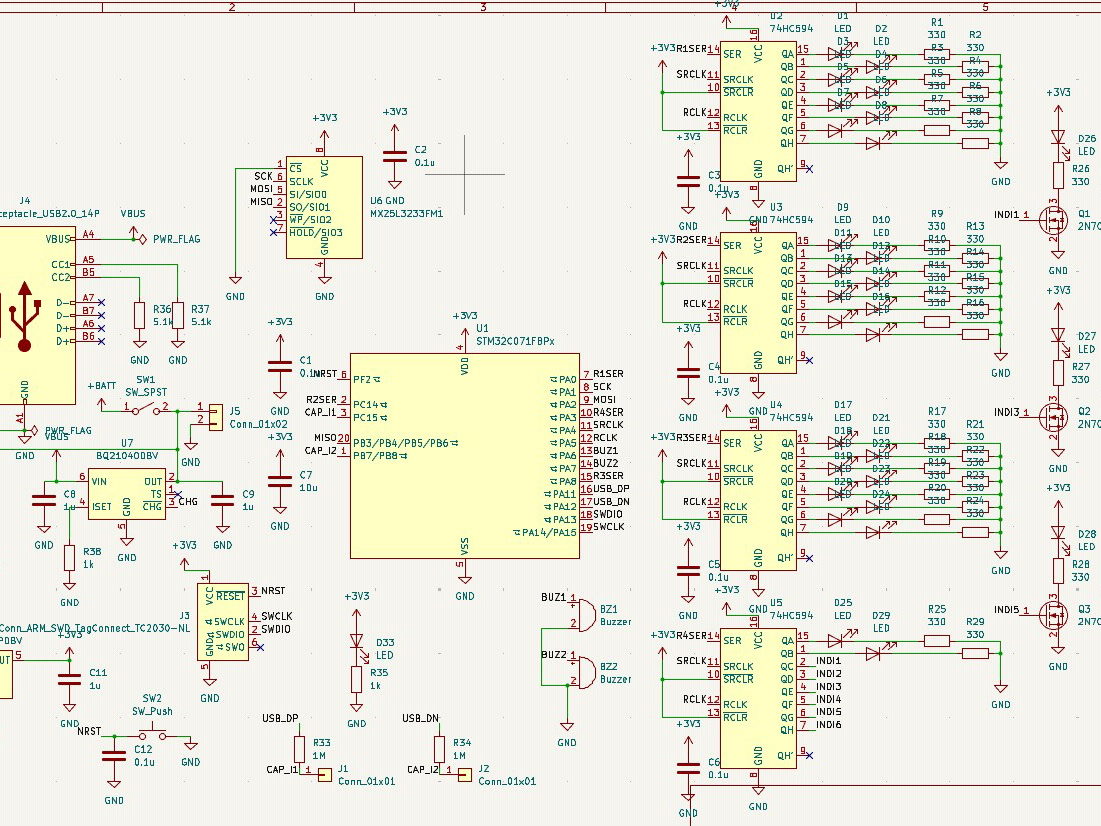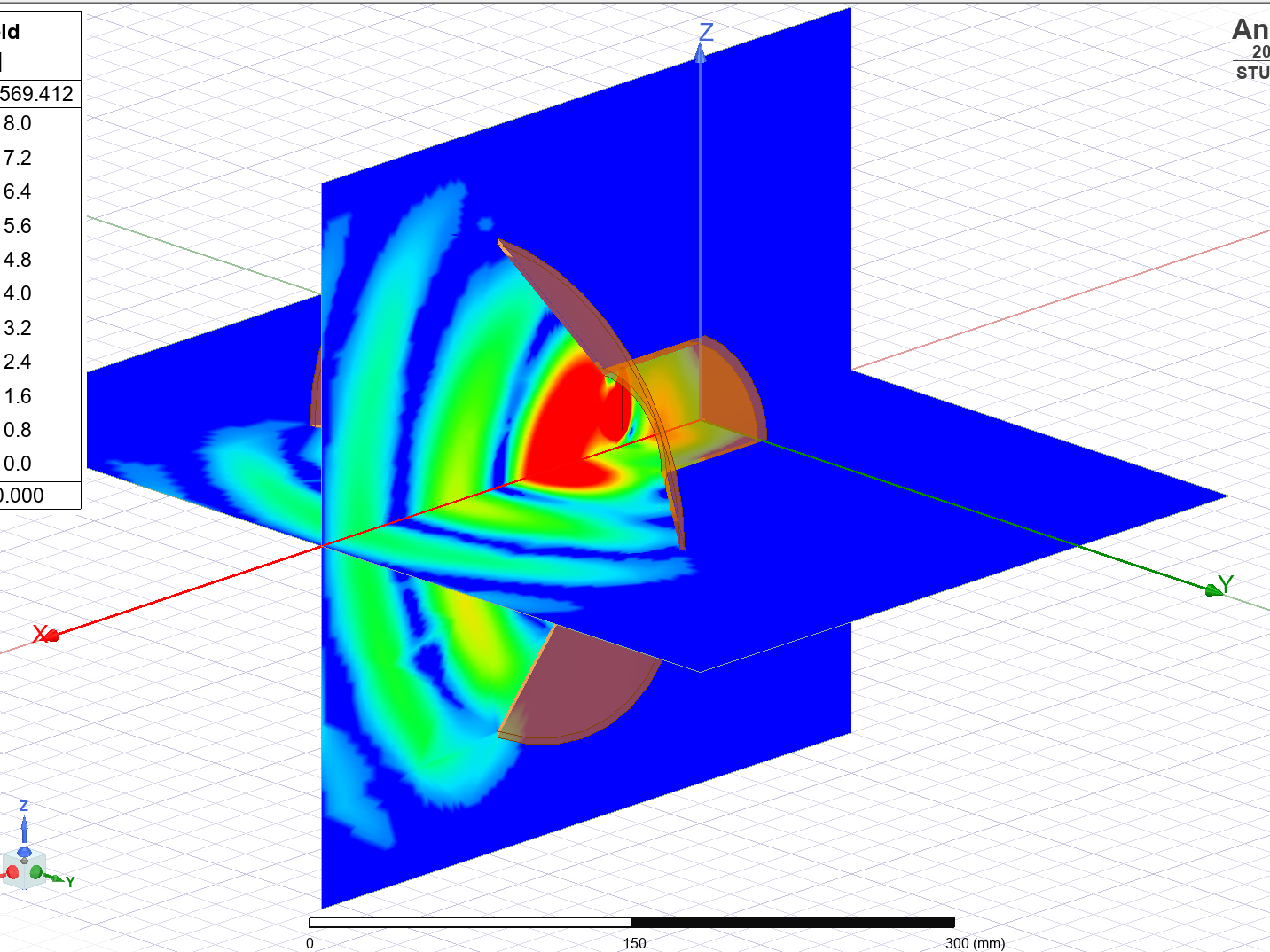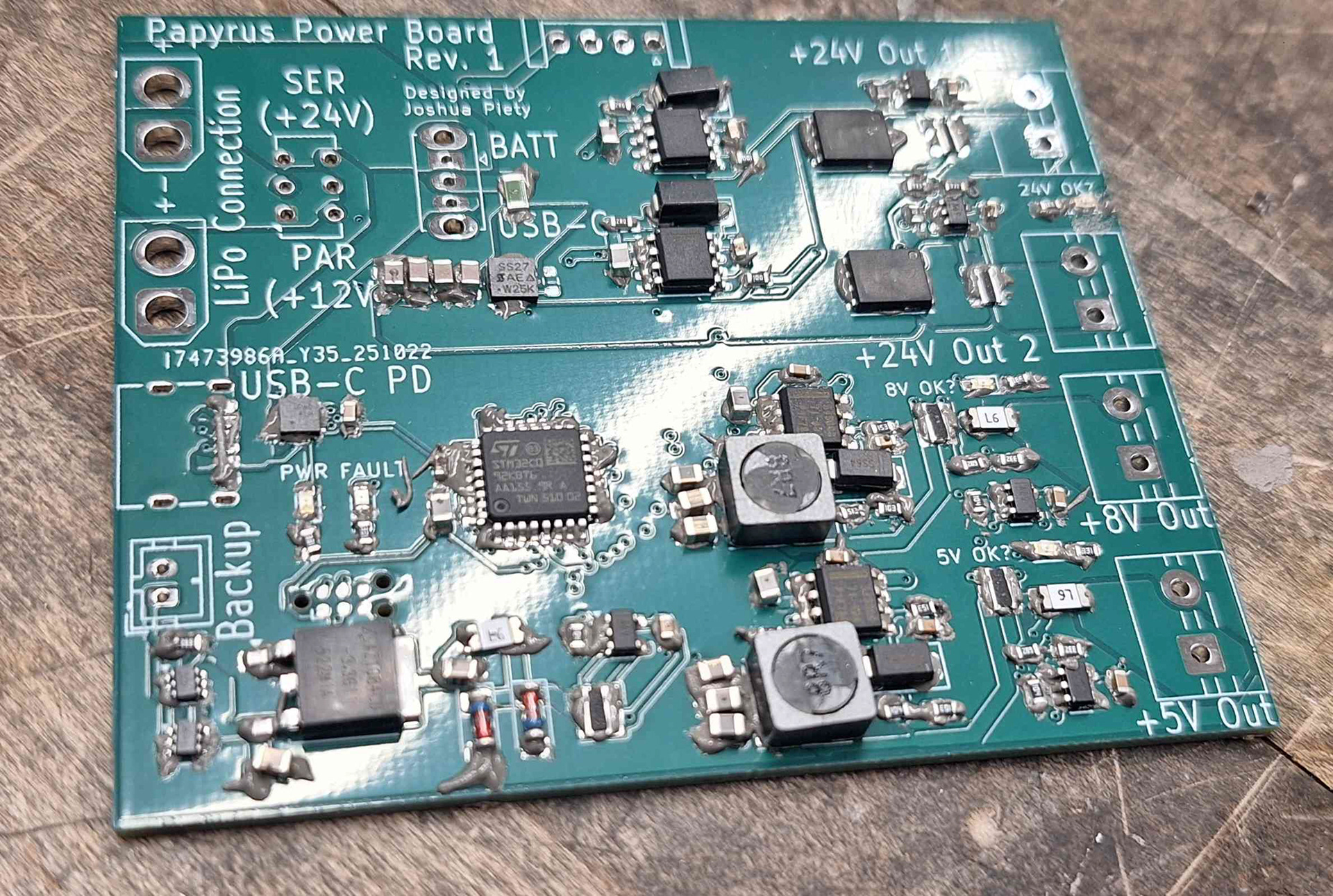
The first revision of the Papyrus Power Board, just before automated reflow soldering. Features include two high current high-side driven outputs, two high-current buck regulators, automatic input switching, current & voltage monitoring, protection circuitry, and an STM32 microcontroller at the heart.
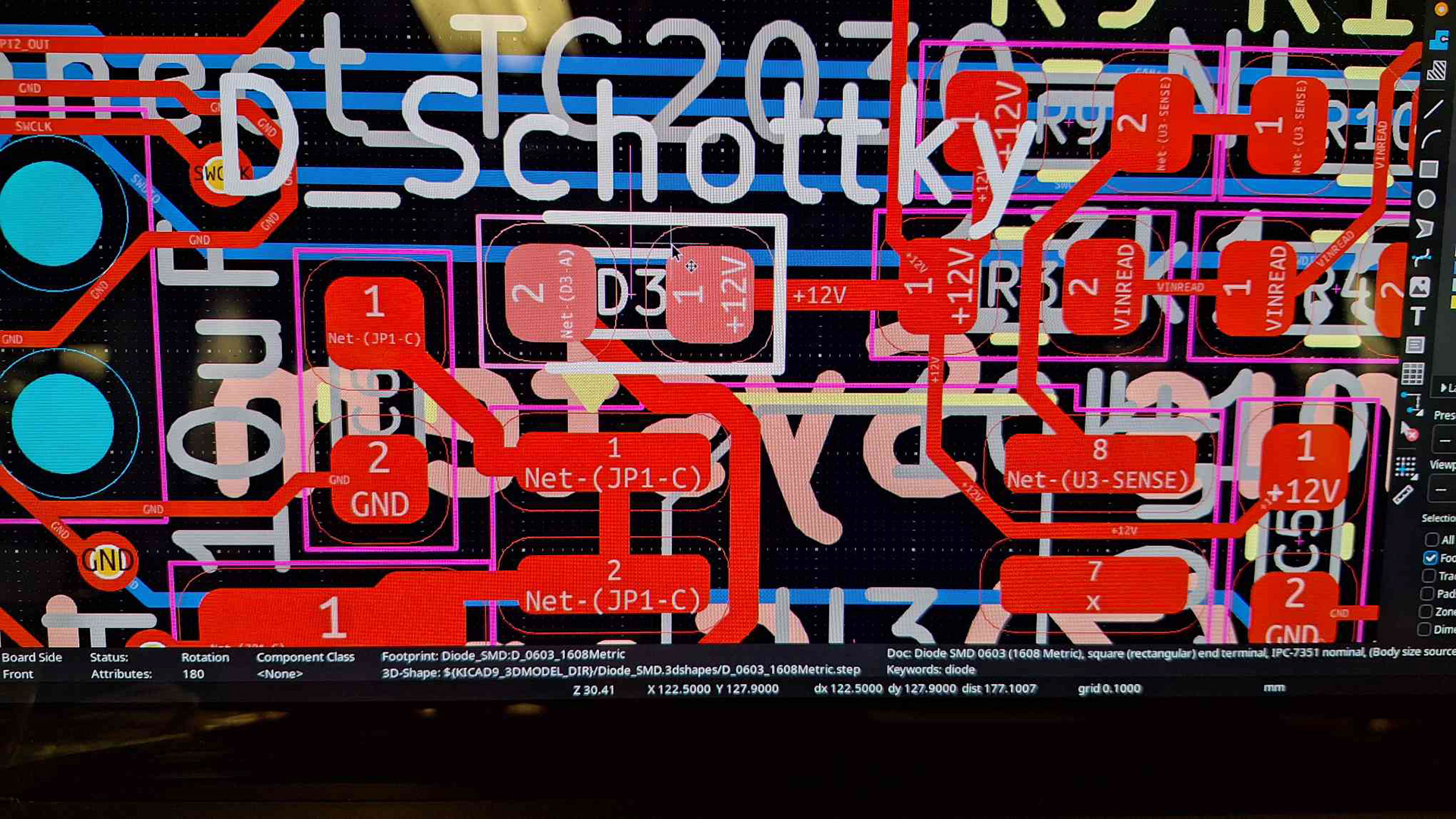
Design and layout of all boards in the Papyrus system was done using KiCAD.
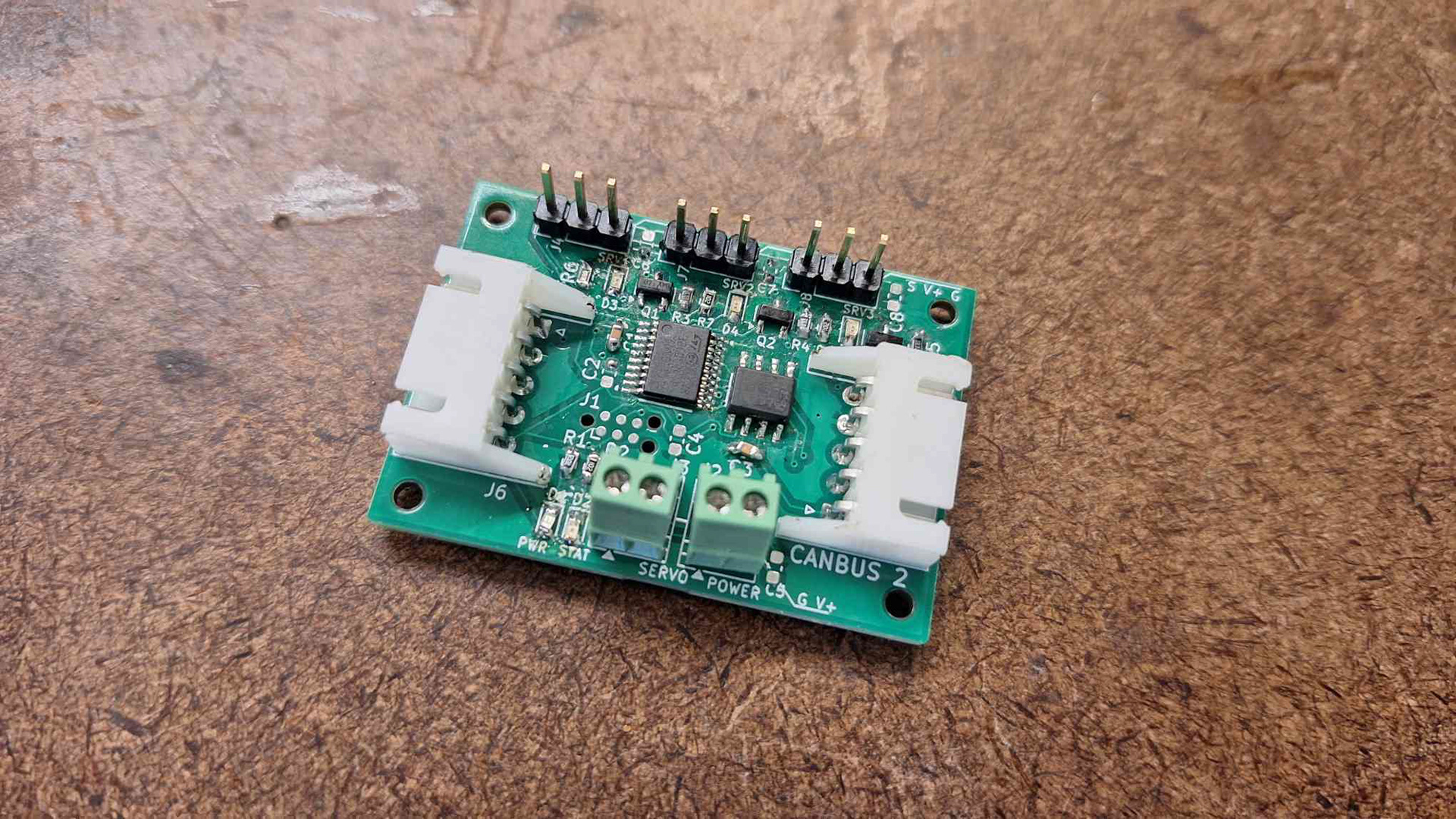
Small interchangeable controller boards like this one (for servo-actuated valves) were designed to be simple and cost effective, and could be stacked arbitrarily using a Controller Area Network bus.
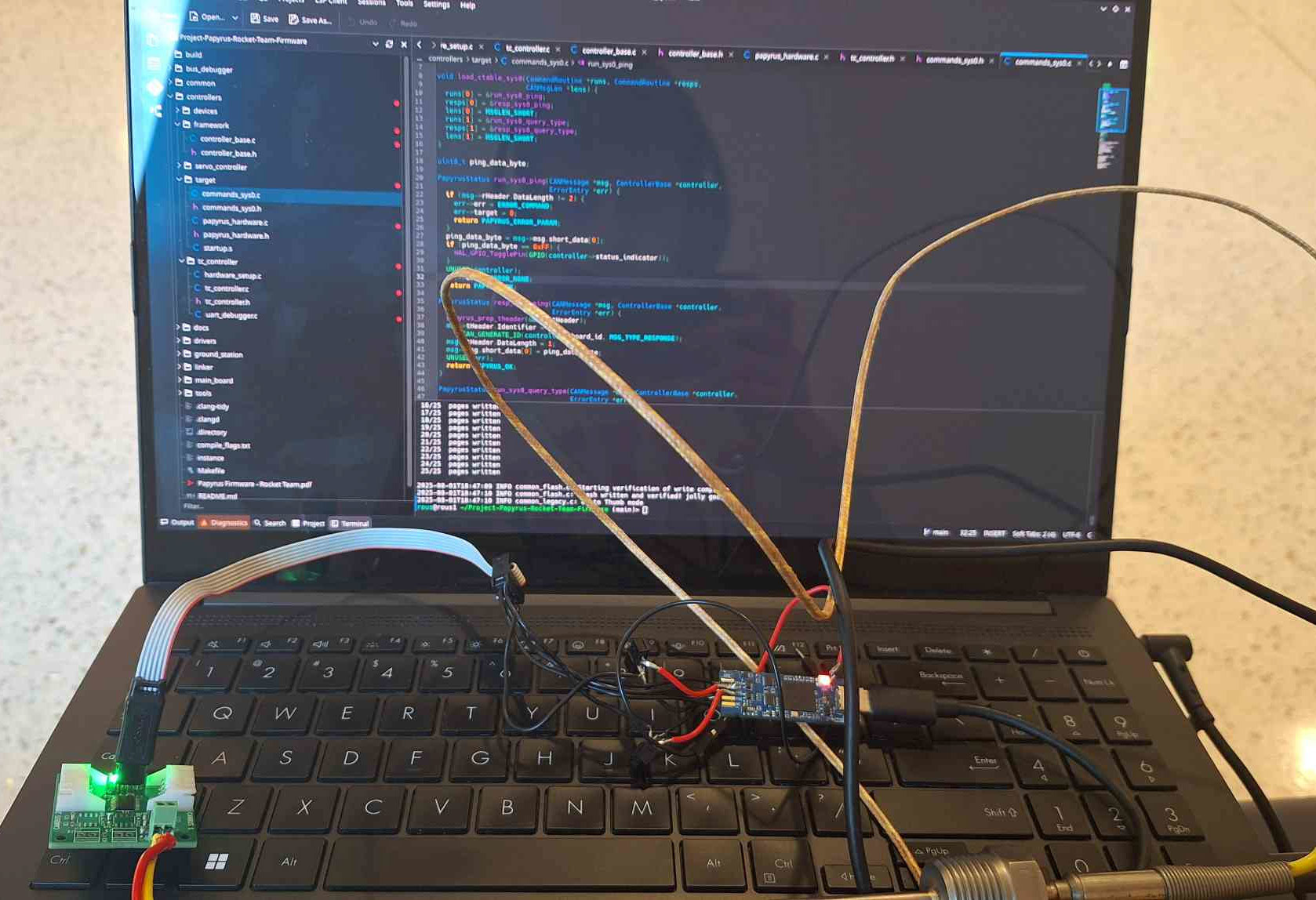
The firmware stack for Papyrus was developed using C and STM32 HAL headers. Configuration was generated using STM32CubeMX tools.
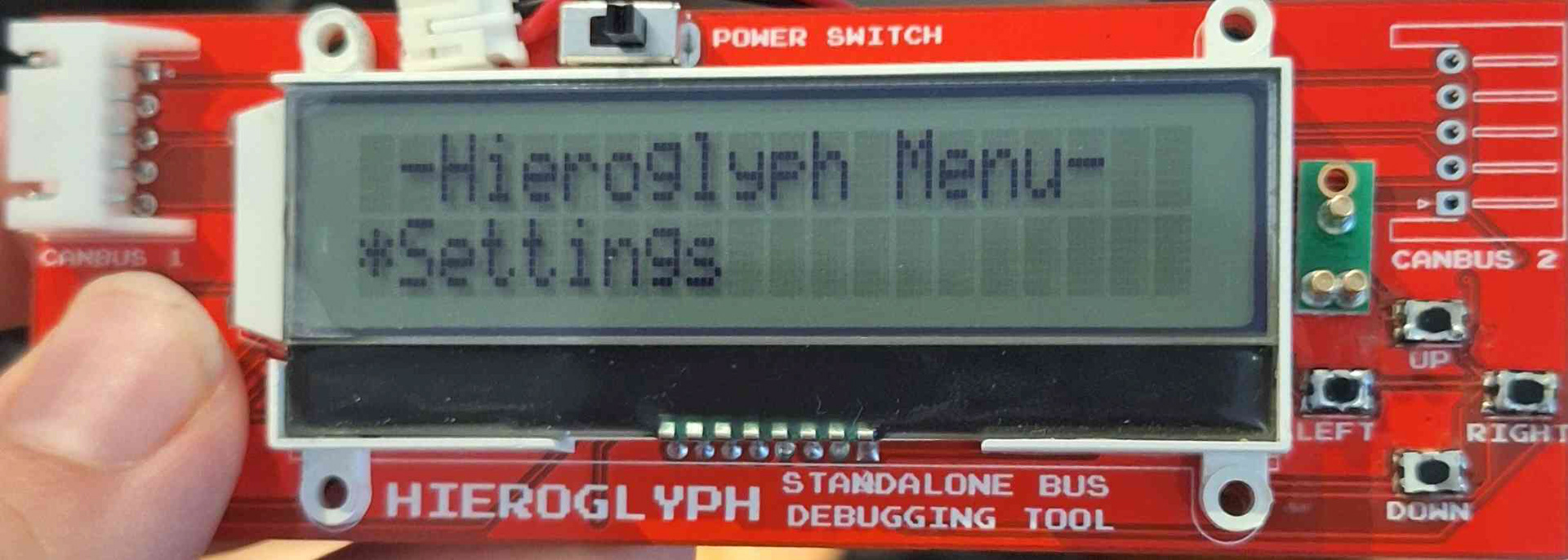
For testing applications, Papyrus needed the ability to be debugged in the field. A standalone CAN bus connected debugging device rounds out the Papyrus toolkit, using a battery and an LCD screen to expose device functions.
The Papyrus system is a full avionics toolkit developed for the MIT Rocket Team's Liquid Propulsion & Controls Division. To support the team's complex projects, such as a bipropellant liquid engine capable of throttle control and thrust vectoring, we needed a system that allowed control of sensors - thermocouples, pressure transducers - and actuators - solenoid & servo valves, igniters - in a modular, reconfigurable way.
The system was designed to be as simple as possible, to allow modification and easy debugging in the field. As the lead on the Avionics subteam, I (along with my team members) designed, assembled and tested core boards based on STM32-series microcontrollers, like the power board displayed above, a central processor board, and a ground station to receive telemetry data. To dynamically interface with sensors, a set of bare-bones "controller boards" were linked up using a CAN bus, along with a firmware stack that allowed easy control of a large number of devices without sacrificing redundancy.

You may also like

Back to Top